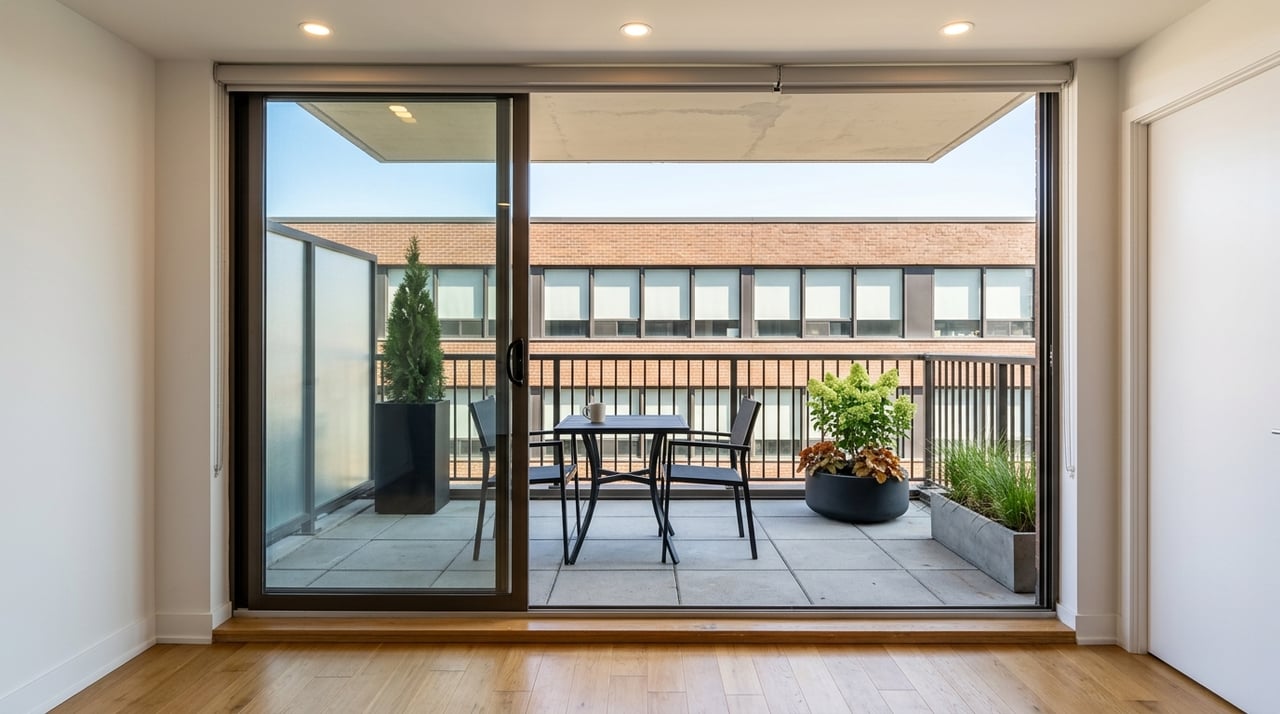
Thinking about leaving your Lawrence Park house can bring up two very different feelings at once. You may be ready for less upkeep and a simpler day-to-day routine, but still feel deeply connected to a home that has held family memories for years. If you are weighing a move from a detached house to a condo, this guide will help you think through the emotional, financial, and practical sides of the transition so you can make a confident plan. Let’s dive in.
Why downsizing feels different here
In Lawrence Park, downsizing is rarely just about moving into fewer square feet. This part of Toronto has long been defined by detached homes, and the area is recognized by the City as a historic Garden Suburb with many early- to mid-20th-century houses.
That matters because your move is not only a change in size. It is also a shift in how you live, how much maintenance you manage, and how closely your next home supports the routines you want to keep.
For many homeowners, the goal is not to leave the lifestyle they love. It is to keep the best parts of it while reducing the physical and mental load that comes with a larger property.
What condo living really changes
A condo can simplify many parts of homeownership, but it does not simplify everything. Instead of handling the full maintenance demands of a house, you become part of a shared ownership structure with common expenses and building governance.
That often means less day-to-day upkeep. You may no longer need to think about exterior repairs, major landscaping, or the constant list of seasonal house tasks that come with detached living.
At the same time, condo ownership comes with trade-offs you need to understand clearly. Monthly condo fees, less private space, shared walls, and building rules around things like pets, parking, noise, or smoking can all shape your experience.
The key is to treat condo living as a different lifestyle, not just a smaller version of your current home. When you choose the right building and suite, the shift can feel freeing instead of limiting.
Why many Lawrence Park owners consider condos now
For longtime owners, one of the biggest advantages of downsizing is the equity a detached home may unlock. Toronto Regional Real Estate Board data from early 2026 showed a large gap between detached home and condo apartment prices in the 416, with June 2026 averages at $1,648,440 for detached homes and $665,760 for condo apartments.
That price gap helps explain why this move can be appealing. A condo may let you stay in a premium Toronto market while reducing your maintenance burden and potentially freeing up capital for retirement, travel, family support, or other priorities.
Still, it is important not to assume condo living is automatically cheaper overall. Your total carrying costs may simply shift from house repairs and upkeep to a mix of mortgage costs, property taxes, condo fees, and utilities.
How to choose the right kind of condo
Not every condo suits a downsizing move. If you are coming from a Lawrence Park house, the best fit often depends less on square footage alone and more on how well the space supports your next chapter.
Start by thinking about the routines you want to protect. You may want to stay in Midtown, remain near the Bayview corridor, or choose a downtown building that keeps you connected to services, transit, dining, and friends.
Then think carefully about layout, storage, and usability. A well-planned two-bedroom or large one-bedroom-plus-den may serve you better than a bigger suite with awkward flow.
Features worth prioritizing
When comparing condo options, focus on features that make daily life easier:
- A practical layout with minimal wasted space
- Good in-suite storage
- Comfortable room sizes for the furniture you plan to keep
- Easy elevator access and building entry
- Parking, if you still drive regularly
- A locker, if you need extra seasonal storage
- Outdoor space, if that matters to your lifestyle
- Rules that align with your needs for pets or visitors
A thoughtful match here can make downsizing feel intentional rather than restrictive.
Plan your space before you list
One of the hardest parts of downsizing is not the sale itself. It is deciding what comes with you.
A detached house often absorbs years of furniture, keepsakes, seasonal items, and rarely used storage. A condo asks you to be more selective, so it helps to start early and work room by room.
Try dividing items into four groups:
- Keep
- Gift to family or friends
- Donate or sell
- Discard
Measure your larger furniture before you buy a condo, not after. A dining table, sectional, or bedroom set that worked beautifully in your house may overwhelm a condo layout or simply not fit through elevators and hallways.
Understand the monthly cost picture
Downsizing can reduce maintenance stress, but you still need a full budget. Condo ownership changes the shape of your costs rather than removing them.
CMHC includes mortgage payments, property taxes, condominium fees, and utilities as part of owner shelter costs. That makes it important to review the full monthly picture before you commit to a purchase.
Your budget may include:
- Mortgage financing, if applicable
- Property taxes
- Monthly condo fees
- Utilities not covered by fees
- Insurance
- Parking or locker costs, if separate
- Moving expenses
- Legal fees and adjustments on closing
This is where clear planning matters most. A condo that looks affordable at first glance may feel different once all recurring costs are added together.
Budget for land transfer tax in Toronto
When you buy a condo in Toronto, land transfer tax is a major closing cost. You need to account for both Ontario land transfer tax and Toronto municipal land transfer tax.
For condos and other non-single-family residences, Toronto applies municipal rates of 0.5% up to $55,000, 1% from $55,000.01 to $250,000, 1.5% from $250,000.01 to $400,000, and 2% above $400,000. Ontario applies its own land transfer tax on the purchase as well.
Using the June 2026 average Toronto condo apartment price of $665,760, the combined provincial and municipal land transfer tax would be about $19,580 before legal fees and moving costs. That is a meaningful number, so it should be part of your decision from the start.
Know the tax questions on your house sale
For many longtime homeowners, the main tax issue is the sale of the principal residence. In general, the Canada Revenue Agency says capital gains on a principal residence are usually exempt, but the sale still needs to be reported and designated properly.
If part of your property was rented out or used to earn income, the tax treatment can change. That is one reason it helps to flag these details early, especially if you have owned the home for a long time or used part of it differently over the years.
A smooth downsizing plan often starts with understanding what your house sale means financially before you begin shopping seriously for a condo.
Review condo documents carefully
If you are buying a resale condo in Ontario, one of the most important due diligence steps is reviewing the status certificate. This document can tell you a great deal about the corporation’s financial and legal health.
The condo corporation can charge up to $100 for the status certificate and must provide it within 10 days. It includes key records such as governing documents, budget information, reserve fund details, and any common expense arrears tied to the unit.
This is not a formality. It is one of the best tools you have for understanding whether a building is being run responsibly.
Pay attention to the reserve fund
A reserve fund is money set aside for major repairs and replacements. In Ontario, condo corporations are required to maintain one, and reserve fund studies must be updated on a regular schedule.
In simple terms, the reserve fund helps answer an important question: is this building financially prepared for the future? A polished lobby and attractive suite matter, but so does the corporation’s ability to handle big-ticket work over time.
For downsizers, this matters because you are often looking for predictability. A well-managed building with a healthy reserve fund may help reduce the risk of unpleasant surprises later.
Decide whether to sell first or buy first
Timing can make or break a downsizing move. You want enough flexibility to make smart decisions without feeling rushed.
Some homeowners prefer to sell first so they know exactly how much equity they can deploy. Others buy first to avoid the pressure of searching under a deadline, especially if they are focused on a very specific building or suite type.
There is no one-size-fits-all answer. The right strategy depends on your finances, your tolerance for temporary overlap, and current market conditions for both detached homes and condos.
Coordinate closing dates carefully
A smooth move often comes down to sequencing. Decluttering, preparing your house for market, reviewing condo documents, negotiating both transactions, and aligning closing dates all need to work together.
Without a coordinated plan, it is easy to end up with a stressful gap between homes or a rushed temporary move. That is especially difficult when you are also managing years of belongings and an emotional transition.
A clear timeline can help you move with more confidence. It should account for staging, sale timing, condo search, due diligence, and the logistics of the actual move.
Make room for the emotional side
It is normal to feel torn. A Lawrence Park house may represent decades of family life, milestones, routines, and identity.
Recognizing that emotional weight does not mean you are making the wrong choice. It simply means the move is significant.
Many downsizers feel better when they frame the transition as a move toward ease, flexibility, and a home that fits the life they live now. You are not erasing the past. You are choosing the right setup for what comes next.
Why one team can simplify the process
Downsizing usually involves two major transactions at once: selling your current home and buying the right next one. When those pieces are handled in a coordinated way, the process tends to feel much more manageable.
That is where local knowledge and a process-driven approach can make a real difference. With the right support, you can build a plan around timing, prep your house for market, evaluate condo options with care, and move forward with clear communication at every step.
If you are thinking about downsizing from a Lawrence Park house to a condo, the goal is not just to move. It is to make a smart, well-timed transition that protects your equity, supports your lifestyle, and gives you confidence in what comes next. When you are ready to talk through your options, the Jamie Dempster Team can help you plan the sale and purchase with clarity, communication, and confidence.
FAQs
What should you expect when downsizing from a Lawrence Park house to a condo?
- You should expect a lifestyle shift as much as a real estate move, including less home maintenance, smaller living space, monthly condo fees, and building rules that may affect pets, parking, noise, or storage.
What condo costs matter most when buying in Toronto?
- The main costs to review are your mortgage if needed, property taxes, monthly condo fees, utilities, insurance, legal fees, moving costs, and both Ontario and Toronto land transfer tax.
What documents should you review before buying a resale condo in Ontario?
- The key document is the status certificate, which includes governing documents, budget details, reserve fund information, and notes about arrears connected to the unit.
What is a condo reserve fund and why does it matter to downsizers?
- A reserve fund is a mandatory account used for major repairs and replacements, and it matters because it helps show whether the building is financially prepared for future work.
Should you sell your Lawrence Park home before buying a condo?
- It depends on your finances, timing needs, and comfort with market conditions, since selling first can clarify your budget while buying first can reduce pressure if you want a very specific condo option.