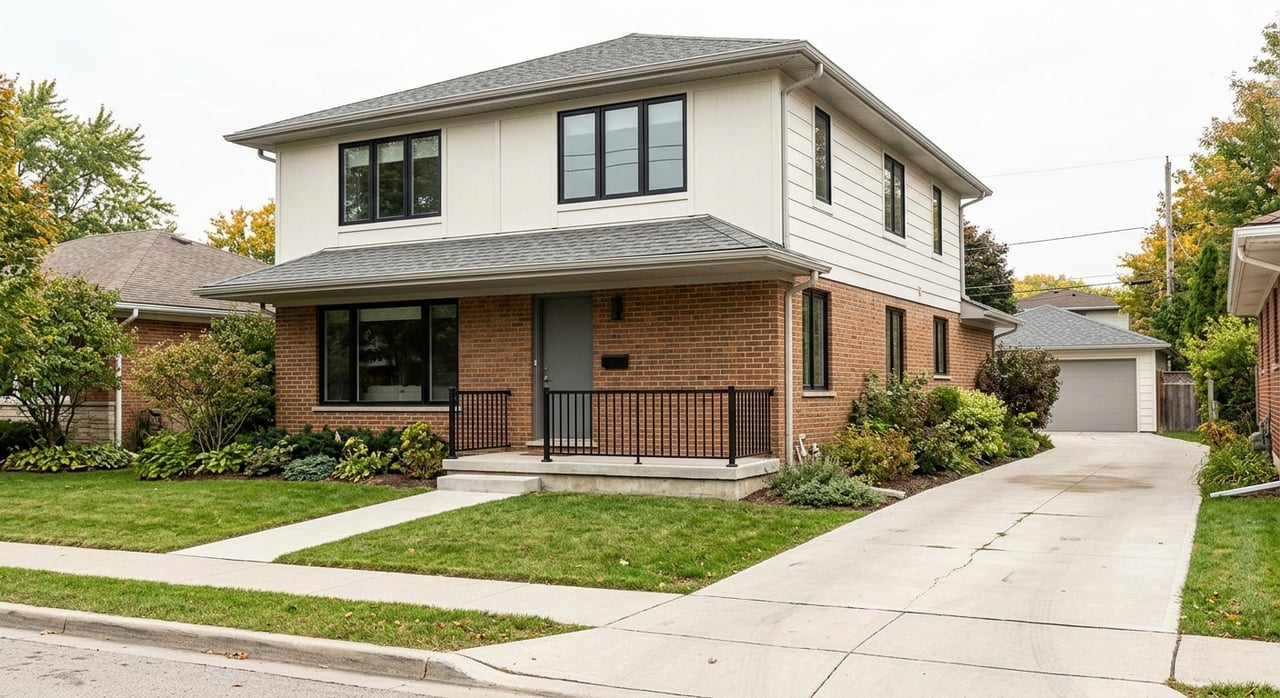
If you are looking at a home in Bedford Park, the house itself is only part of the story. In this neighbourhood, a big part of value comes from what the lot can support over time, whether that means a careful renovation, an addition, a rebuild, or a future conversion. If you want to make a smarter buying or selling decision, it helps to understand how lot value and renovation potential really work here. Let’s dive in.
Why lot value matters in Bedford Park
In Bedford Park, lot value often goes beyond curb appeal or interior finishes. A property’s long-term potential can depend on zoning, lot size, lot shape, setbacks, tree issues, and whether heritage rules apply.
That matters because Bedford Park is a mature North York neighbourhood where change is expected to be gradual and to fit the surrounding physical character. Toronto’s planning framework treats these Neighbourhoods as stable low-rise areas, so the lot’s legal buildability can have a major effect on value.
The local pattern supports this way of thinking. In the City’s Bedford Park case study area, 97% of 358 building permits were for replacement and renovation, which shows that updates, additions, and rebuilds are already a meaningful part of the area’s housing cycle.
How to assess lot value
A useful way to think about lot value in Bedford Park is simple: location + legal buildability + existing house condition. Two homes on the same street can have very different value if one lot offers more flexibility than the other.
For example, a wider lot or a more regular lot shape may be easier to work with under zoning rules. A narrow or irregular lot may still be valuable, but it can create more design constraints and may increase the chance that a future project needs approvals beyond a standard permit.
In former North York zoning, one-family detached zones can have very different development standards by area. The City’s residential information sheet shows minimum lot frontage ranging from 9 metres to 30 metres, minimum lot area ranging from 278 square metres to 1,100 square metres, and lot coverage generally ranging from 25% to 30%, depending on the zone and neighbourhood schedule.
That is why buyers and sellers should avoid broad assumptions. In Bedford Park, value is often very address-specific.
Why zoning must be confirmed
One of the most important facts in Bedford Park is that the applicable zoning rule set can vary by property. Toronto says the city is governed by Zoning By-law 569-2013 and former municipal zoning by-laws, and some properties are still subject to a former by-law.
That means you cannot assume the same rules apply across the whole neighbourhood. If you are buying for renovation potential or selling a property with lot value upside, confirming the exact zoning for that address is a critical first step.
The City says the interactive zoning map should be used to confirm which by-law applies to a specific property. This is especially important in areas like Bedford Park, where former North York rules may still shape what can be built.
Renovation or rebuild?
For many Bedford Park properties, the real question is not whether change is possible. It is what type of change makes the most sense.
When renovation may be the better fit
A renovation is often the better path when the existing home is structurally sound and your goals are more practical than dramatic. If you want to improve layout, update finishes, add moderate space, or modernize key systems, renovating may preserve value while keeping the project more manageable.
Toronto says a building permit is required for new buildings, additions, structural or material alterations, many basement changes, and demolition or removal of a building or part of one. Some cosmetic work, like replacing roofing material or windows in place, does not require a permit.
In a neighbourhood where gradual change is the expectation, a thoughtful renovation can align well with both market demand and planning context. It can also make sense when the lot is standard and the current structure still works reasonably well.
When a rebuild may make more sense
A rebuild may become more attractive when the existing house is functionally outdated, too constrained for the lot, or difficult to improve efficiently. In some cases, the land supports more than the current structure can practically deliver.
Toronto’s demolition with replacement process shows that a rebuild comes with its own requirements. These can include a survey or grading plan, an infill public notice declaration, an owner acknowledgement of demolition control conditions, a municipal road damage form, and a tree declaration if private or City trees may be affected.
For some buyers, especially those looking at land or teardown opportunities, this process is part of the value equation. For sellers, it can also shape how a property should be positioned when the lot is more compelling than the existing house.
What makes a lot more attractive
Some lot features tend to improve redevelopment or renovation flexibility more than others. In Bedford Park, these are usually the characteristics that make a future project easier to design within the rules.
Lot features that often help
- Wider frontage
- Deeper lot dimensions
- Regular lot shape
- Space to fit setbacks and lot coverage rules
- A site with fewer physical constraints
Toronto’s Official Plan says development in established Neighbourhoods should respect prevailing lot size and configuration, heights, massing, setbacks, and heritage. It also notes that lots fronting a major street may be treated differently from interior lots.
That does not mean every wide lot is automatically a redevelopment win. It means that lots with stronger physical fundamentals often offer more practical design flexibility.
What can limit renovation potential
A property can have strong location appeal and still face real development limits. In Bedford Park, a few issues tend to come up again and again.
Common friction points
- Zoning non-compliance
- Heritage status
- Protected trees or tree-related constraints
- Site conditions that limit design options
- Lot size or shape that makes the permitted envelope harder to achieve
If a property is designated under the Ontario Heritage Act, Toronto says a heritage permit is needed before altering, demolishing, removing, or erecting buildings or structures on the property. For heritage conservation district properties, review happens through the building permit process.
Tree protection can also affect timing and scope. Toronto says activities that may injure or remove protected trees can require authorization under the Tree Protection By-law.
Can you add more units?
This is one of the most common questions for buyers and investors in Bedford Park. The short answer is that in qualifying low-rise zones, converting an existing house into more units may be possible.
Toronto’s multiplex guide says duplexes, triplexes, and fourplexes may be permitted in R, RD, RS, RM, and RT zones. It also says existing houses can be converted in those zones, subject to applicable standards and zoning review.
Another notable change is parking. Toronto says parking is not required for duplexes, triplexes, or fourplexes as of February 3, 2022.
This does not mean every property is a fit for a multiplex conversion. It does mean that for the right lot and zoning context, additional unit potential may be part of the property’s value story.
What buyers should look for
If you are buying in Bedford Park with renovation or lot value in mind, it helps to think beyond finishes and staging. A beautifully updated home may still offer limited future flexibility, while a less polished property may have stronger underlying land value.
Here are a few smart questions to ask early:
- What zoning by-law applies to this specific address?
- Is the lot width, area, and shape favourable for future plans?
- Does the property appear to have heritage constraints?
- Are there protected trees that could affect an addition or rebuild?
- Is the current house worth improving, or is the lot the bigger opportunity?
- If a change is needed, would it likely fit within standard zoning or require a minor variance?
If you need an exception for something like setback or height, Toronto says minor variances are handled by the Committee of Adjustment. The same body also hears consent applications for land severances.
What sellers should understand
If you own a property in Bedford Park, your home’s value may be tied to more than its current layout and finishes. In some cases, the lot itself may be one of the most important selling features.
That is especially true when the property has dimensions, shape, or redevelopment flexibility that stand out in the local context. Buyers who are planning an addition, conversion, or full replacement often evaluate a home very differently from a buyer who plans to move in as-is.
This is where clear positioning matters. A seller can benefit from understanding whether the property should be marketed mainly as a finished home, a renovation candidate, or a land-value opportunity.
Bedford Park is stable, not static
One of the most helpful ways to understand Bedford Park is this: it is a stable neighbourhood, but it is not frozen in time. Toronto’s planning direction supports gradual, context-sensitive change, and the local permit history shows that replacement and renovation are already part of the normal pattern.
That makes Bedford Park appealing to a wide range of buyers, from families planning long-term updates to investors and builders looking for infill potential. The key is not assuming every property has the same upside.
In this neighbourhood, the best decisions usually come from combining local market knowledge with property-specific due diligence. If you want clarity on whether a Bedford Park property is best valued as a home, a renovation play, or a lot-driven opportunity, the right local guidance can make a big difference.
If you are thinking about buying, selling, or evaluating a property in Bedford Park, the Jamie Dempster Team can help you assess the lot, the market position, and the smartest next step with clarity, communication, and confidence.
FAQs
How is lot value assessed in Bedford Park?
- Lot value in Bedford Park is often shaped by location, legal buildability, lot size and shape, and the condition of the existing house.
How do you confirm zoning for a Bedford Park property?
- Toronto says you should confirm the applicable zoning for a specific property using the City’s interactive zoning map, since some addresses may still be governed by former municipal by-laws.
Do Bedford Park renovations usually need a building permit?
- Many do. Toronto says permits are required for new buildings, additions, structural or material alterations, many basement changes, and demolition or removal work.
Can you rebuild a house in Bedford Park?
- In many cases, yes, but a rebuild involves a specific City process that can include plans, declarations, road damage forms, and tree-related review.
Can you convert a Bedford Park home into multiple units?
- In qualifying low-rise zones, Toronto says duplexes, triplexes, and fourplexes may be permitted, subject to applicable standards and zoning review.
What happens if a Bedford Park project needs a zoning exception?
- Toronto says requests for minor exceptions, such as certain setback or height relief, are handled through the Committee of Adjustment.