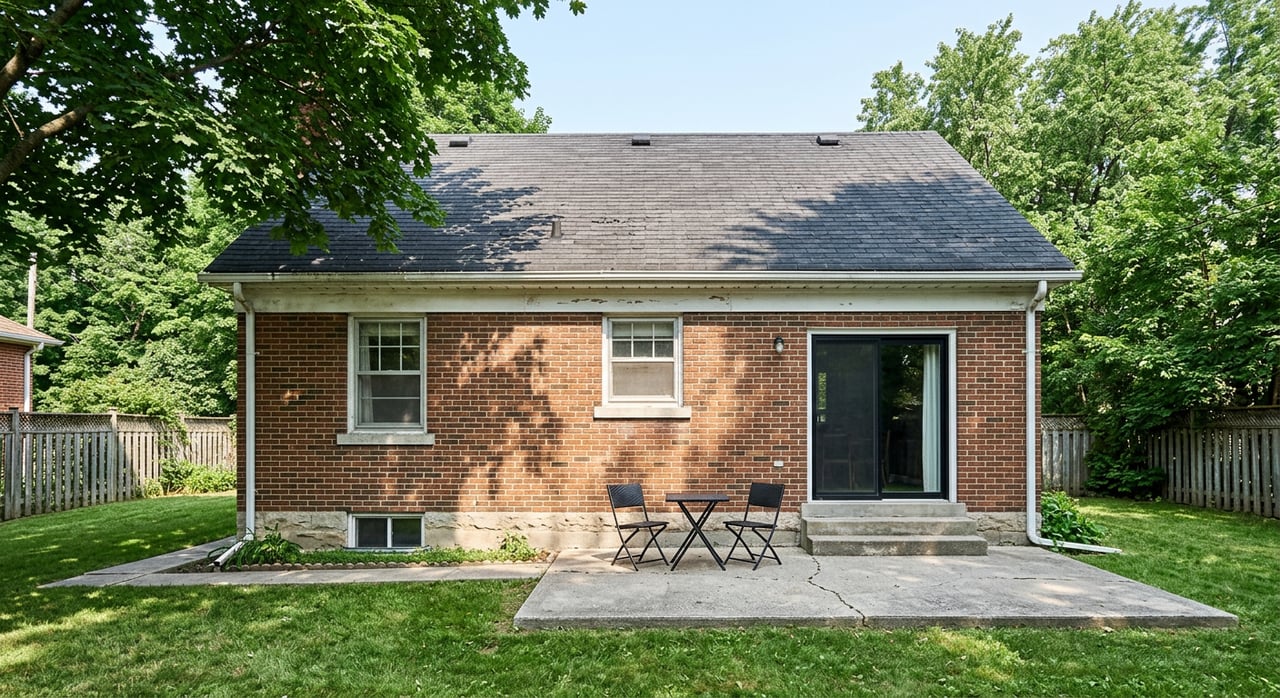
Should you give your Lawrence Park home a thoughtful refresh or start fresh with a new build? It is a big decision, and the right answer depends on your lot, local rules, budget and timing. You want a plan that respects the neighbourhood’s character while maximizing your long-term value. In this guide, you will learn how zoning and heritage affect what is possible, what today’s buyers reward, and a simple framework to decide with confidence. Let’s dive in.
Lawrence Park context that shapes your choice
Lot patterns and neighbourhood character
Lawrence Park was planned as a garden suburb with tree-lined streets and deeper lots. Many lots are commonly described as 50 feet by 150 feet, with a number of pie-shaped or irregular sites that change the buildable footprint. This lot pattern helps explain why you often see both well-executed additions and full replacement homes on nearby streets. You can review the neighbourhood association’s guidance on lot character in the Lawrence Park Ratepayers’ document on development principles. It outlines typical lots and context that owners should consider before planning major changes. You can find it in the association’s published guidance on lot pattern and character in Lawrence Park.
- Read the Lawrence Park Ratepayers’ Association development principles for lot patterns and character: LPRA Development Guiding Principles
Planning and zoning basics
Most of Lawrence Park falls under the City of Toronto Official Plan designation called Neighbourhoods. This is a low-scale category that asks new development to respect and reinforce the prevailing character on the street including massing, setbacks and height. If you are considering a major addition or a replacement house, this policy is the starting point for what the City will support.
- See the City’s policy context: Official Plan, Chapter 4: Neighbourhoods
The city-wide Zoning By-law 569-2013 then sets detailed limits on building height, lot coverage, setbacks and permitted building types. Many Lawrence Park properties are in detached residential zones that cap floor area and height. Always check your exact zoning and any site-specific exceptions before you budget.
- Review zoning regulations: Zoning By-law 569-2013, Residential Standards
Toronto has also updated some low-rise rules. Phase 1 of the City’s simplification and modernization work harmonized several standards and expanded permissions related to secondary units and conversions. These changes can open up options such as legal secondary or garden suites in some cases, which may shift your renovate vs rebuild math.
- Learn about recent changes: Low-Rise Zoning Modernization
Heritage and trees
Parts of Lawrence Park have been studied for potential Heritage Conservation District status. If a property is listed on the Heritage Register or sits inside an HCD, demolition and exterior changes usually require review and can add time and cost. Confirm a property’s status early in your process.
- Check the City’s heritage study authorization: City of Toronto heritage study materials
Tree protection rules also affect additions, new builds and backyard suites. The City’s Expanding Housing Options materials outline separation and coverage rules that often intersect with urban forestry requirements.
- Understand suites and site constraints: Expanding Housing Options in Neighbourhoods
Renovate vs rebuild: what local buyers reward
Buyer priorities in Lawrence Park
Most buyers here value quiet streets, privacy, parks and well-finished, move-in-ready homes. Families tend to prioritize updated kitchens, practical family layouts and sound mechanical systems. Move-up and downsizing buyers often prefer modern layouts and lower ongoing maintenance. A tasteful renovation that suits the street can be a strong draw. A replacement home that is out of scale with its block can struggle, even if finishes are high-end. The sweet spot is a design that respects the streetscape while delivering everyday function.
Renovating: value adds, permits and timing
Renovations that usually add the most market appeal include:
- Kitchen and bath updates with quality finishes.
- Main-floor reconfiguration for better flow and family living.
- Mechanical upgrades such as HVAC, roofing and windows.
- Legal secondary or garden suites where permitted.
Interior projects that involve structure, new windows, HVAC or changes to exits typically require building permits. Some exterior work or tree impacts may trigger separate reviews. Check timelines with the City early since permitting can affect carrying costs and your living plans. The City’s housing options resources are a good starting point for understanding where secondary or garden suites may be feasible.
- Read about permissions for secondary and garden suites: Expanding Housing Options
Rebuilding: costs, timeline and risk
A teardown and new build can deliver a purpose-built layout, energy efficiency and modern systems. It also concentrates risk into one larger project that depends on accurate budgeting, approvals and access to qualified trades.
- Hard construction costs: Industry guides for Toronto custom homes often show several hundred dollars per square foot, with higher ranges in central, established areas and for premium finishes. Always get written, site-specific quotes.
- Soft and carrying costs: Expect additional line items for demolition, urban forestry requirements, site servicing, design and engineering, permits, potential development charges, taxes during construction, landscaping and staging. These often add a meaningful premium to hard costs.
For a deeper sense of budget categories and cost context, review these Toronto-focused guides:
- Cost ranges for Toronto custom homes: Mighton Construction cost guide
- Soft costs and total project budgeting: MBC Homes cost overview
A simple decision framework for Lawrence Park owners
Use this step-by-step to decide whether to renovate, rebuild or sell as-is.
1) Clarify your goal and timeline
Decide whether you plan to stay long term, sell soon, or maximize net proceeds on a defined timeline. Your living plans, financing comfort and tolerance for disruption set the path.
2) Do a quick market check
Ask a local agent to pull three sets of comparables for nearby streets: recent as-is sales, renovated homes and recently built replacements on similar lots. If renovated or new-build comparables are materially higher than as-is values, keep going.
3) Run a simple renovation test
Estimate an after-renovation value from the renovated comps. Then gather two contractor quotes and add carrying and selling costs. If your after-renovation value minus total costs produces a margin larger than selling as-is, renovation is worth deeper study.
4) Run a rebuild feasibility check
Look at recent sales for new or replacement homes on comparable lots to estimate a realistic finished value. Subtract hard construction, soft costs, financing and a standard developer profit margin to see what a builder could pay for the land. This is called a residual land value. If that residual is comfortably above your as-is net, the lot is attractive to builders. If you intend to build yourself, confirm financing and approvals are achievable and that the design fits your block. For background on how professionals structure this analysis, see this summary of the residual method.
- Learn how residual valuation works: Residual development appraisal overview
5) Weigh approvals, heritage and trees
If you will likely need variances, heritage review or significant tree protection, add time and cost to your estimates. Recent updates to low-rise rules and the City’s suite permissions may change what is possible on your lot, so verify current standards before finalizing a plan.
- See the City’s low-rise modernization work: Low-Rise Zoning Modernization
6) Move to paid feasibility when close
If your quick tests are within a narrow range, step up to a formal plan:
- Get a detailed CMA and, if needed, an appraisal.
- Obtain a concept design that shows achievable massing under zoning.
- Secure preliminary hard and soft cost budgets from a reputable builder.
- Book a City pre-application conversation to confirm zoning and any heritage or tree constraints.
If the numbers still support a renovation or rebuild, proceed with firm contracts and permit applications.
Special cases to confirm early
Heritage status and demolition timing
If your property is listed or within a study area or Heritage Conservation District boundary, demolition and exterior changes require additional review and can face delay. Confirm status early to set expectations and budget for design review and timing.
- Check study materials: City of Toronto heritage study materials
Garden and secondary suites
New permissions for secondary and garden suites can improve cash flow or flexibility for multigenerational living. These uses often come with specific separation distances, lot coverage and tree protection rules, so confirm feasibility before you count on this income in your pro forma.
- Read the City’s guidance: Expanding Housing Options in Neighbourhoods
Quick “Ready Movers” checklist
Use this one-month plan if you expect to act soon:
- Request a neighbourhood CMA that separates as-is, renovated and new-build comparables on your side streets.
- Invite 2 to 3 reputable contractors to quote your ideal renovation scope.
- Ask one or two custom builders to provide a non-binding indicative lot offer. This shows whether the market is valuing your property primarily for land.
- Confirm zoning and any site-specific exceptions, and ask about likely variances at a City pre-application discussion.
- If you want a secondary or garden suite, verify permissions and tree constraints before budgeting.
For zoning context and policy references, review:
- Policy framework: Official Plan, Neighbourhoods
- Zoning standards: Zoning By-law 569-2013, Residential Standards
When selling as-is can make sense
Selling as-is is the fastest route and avoids the noise and carrying costs of construction. It can be the right move if nearby renovated or new-build sales do not justify the extra time and risk, or if heritage, tree or variance issues would add long delays. The tradeoff is that you may leave money on the table if buyers are consistently paying a premium for move-in-ready homes on your street. The smartest way to decide is to compare a realistic as-is net against renovation and rebuild scenarios that include full costs.
Final thoughts
The best Lawrence Park outcomes respect the neighbourhood’s character and your own timeline. Renovation can unlock value faster with less risk, especially for well-located homes that need targeted updates. A rebuild can be right when your lot and block support a market-proven finished home and you have the time, financing and approvals to execute. If you want help with comparables, a renovation or rebuild game plan, or a confidential lot valuation, the Jamie Dempster Team is here to bring clarity, communication and confidence to your next step.
FAQs
What zoning rules limit how big I can build in Lawrence Park?
- The City’s Official Plan for Neighbourhoods sets low-scale character expectations and the Zoning By-law controls height, lot coverage, setbacks and floor area. Review both before you design. See the Official Plan, Chapter 4 and Zoning By-law 569-2013 standards.
How long does a teardown and new build typically take in Toronto?
- Many infill projects run 12 to 18 months from design to occupancy, not including time to find a builder and complete due diligence. Heritage review, variances, and tree protection can add months, so build a buffer into your plan.
Do I need permits for interior renovations in Toronto?
- Often yes. Structural changes, new windows, HVAC work or changes to exits typically require permits. Check requirements and timelines with Toronto Building early since permitting affects cost and schedule.
What is residual land value and why does it matter if I sell to a builder?
- Residual valuation is how builders decide what they can pay for a lot. They estimate the finished sale value, subtract all development costs and a profit margin, and the remainder is land value. Learn more in this overview of the residual development appraisal method.
Are garden or secondary suites allowed in Lawrence Park?
- The City has expanded permissions for secondary and garden suites subject to lot, separation and tree rules. Review the current standards in the City’s Expanding Housing Options materials before you plan a suite.