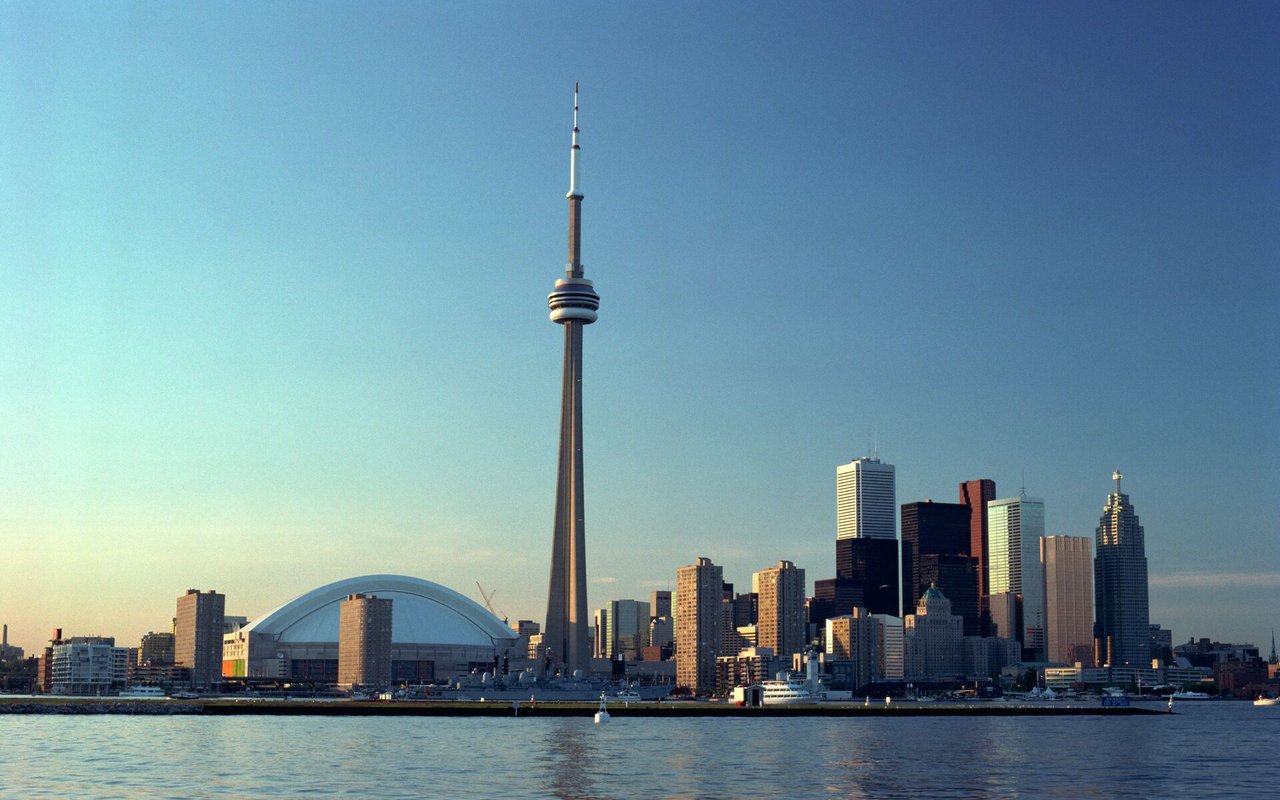
Are you starting to feel like downtown living asks you to compromise on space, greenery, or day-to-day calm? If you have loved the energy of the core but now want a different pace without losing your connection to Toronto, Lawrence Park is worth a closer look. This neighbourhood offers a very different living experience, with established homes, ravine landscapes, and a more residential rhythm that appeals to many buyers leaving condo-heavy areas behind. Let’s dive in.
Why Lawrence Park Feels Different
Lawrence Park stands out because it was planned with a distinct residential vision from the start. City of Toronto materials describe it as one of Toronto’s first planned garden suburbs, and City heritage reporting notes that it was designed in the early 20th century around generous residential lots and the natural setting.
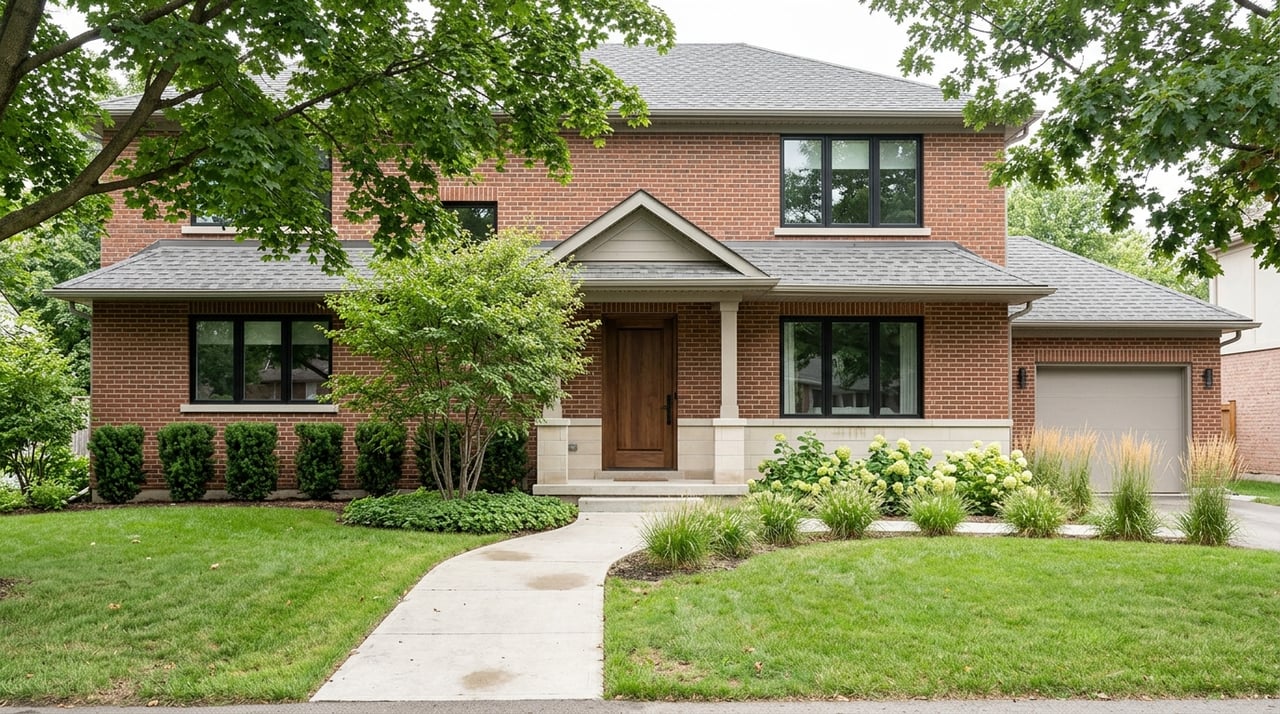
That planning history still shapes how the neighbourhood feels today. Instead of a dense downtown streetscape, you will find a more established pattern of low-rise homes, mature trees, and streets that reflect the area’s original design intent.
More House, Less High-Rise
One of the clearest reasons buyers leave downtown for Lawrence Park is housing type. In both Lawrence Park North and Lawrence Park South, City neighbourhood profiles show that single-detached houses make up 71% of occupied dwellings, while apartment dwellings account for only a small share.
If you are moving from a condo corridor, that shift matters. It often means more interior space, more separation from neighbours, and a streetscape defined by homes rather than towers.
A More Grounded Residential Setting
Lawrence Park also offers lower density than many central Toronto districts. City profiles report population density of 4,685 people per square kilometre in Lawrence Park South and 6,407 people per square kilometre in Lawrence Park North.
For many buyers, that lower-density setting creates a sense of breathing room. You still live in Toronto, but your day-to-day environment can feel quieter and more settled.
Architecture With Lasting Character
The neighbourhood’s housing stock adds to that appeal. City heritage material identifies common architectural styles such as English Cottage, Tudor Revival, Georgian, Arts & Crafts, and Colonial.
That gives many streets a strong visual identity. If you are drawn to homes with established character and a sense of permanence, Lawrence Park offers a look and feel that is very different from newer condo clusters downtown.
Green Space Is Part of Daily Life
For many downtown residents, access to nature is one of the biggest motivations behind a move. Lawrence Park is not just tree-lined. It is shaped by ravines, parkland, and gardens that are woven into the neighbourhood experience.
The City’s Lawrence Park Transportation Plan uses the Sherwood Park and Lawrence Park Ravine network as the neighbourhood’s southern boundary. That is a meaningful detail because it shows how central the ravine system is to the area’s identity.
Local Parks That Anchor the Area
Several nearby green spaces help define the lifestyle here:
- Alexander Muir Memorial Gardens at 2901 Yonge St.
- Lawrence Park Ravine at 51 Alexander Muir Rd.
- Wilket Creek Park
- Sunnybrook Park
- Serena Gundy Park
- Edwards Gardens
These are not minor extras. They help create a neighbourhood where outdoor access can feel built into everyday routines rather than something you need to travel for.
Why Ravines Matter in Toronto
Toronto’s Ravine Strategy gives helpful context for why this matters. The City says ravines support recreation, contribute to air quality and carbon sequestration, and form part of a system with ecosystem services estimated at $822 million annually.
For you as a buyer, that translates into something practical. Living near a connected green system can change how a neighbourhood feels, how you spend your free time, and how much natural space surrounds your home.
A Different Trade-Off Than Downtown
Leaving downtown is not always about giving something up. Often, it is about choosing a different set of priorities.
In King-Spadina, City planning materials describe a growing mixed-use downtown neighbourhood expected to accommodate about 50,000 residents and 50,000 jobs. The City has also noted that downtown has one of the lowest parkland provision rates in Toronto, at 5.5 square metres per resident compared with a city-wide average of 28 square metres.
That contrast helps explain Lawrence Park’s appeal. If you are tired of living in a high-growth, high-density district where open space can feel limited, Lawrence Park offers a more spacious and greener alternative.
Space Can Change Your Routine
A move to Lawrence Park can reshape small parts of daily life in meaningful ways. You may have more room at home, more outdoor options nearby, and a quieter setting at the end of the day.
That does not mean every buyer should leave downtown. It does mean that if your current home no longer matches how you want to live, Lawrence Park offers a compelling next chapter.
Transit Still Keeps You Connected
One common concern about moving north of the core is commute convenience. Lawrence Park addresses that better than many buyers expect.
Lawrence Station on TTC Line 1 Yonge-University is the key transit anchor for the area. TTC information also shows connections there to the 124 Sunnybrook and 162 Lawrence-Donway bus routes.
You Can Keep a Workable Commute
For buyers who still want access to downtown, this matters. Lawrence Park offers a straightforward subway-and-bus option while allowing you to live in a lower-rise residential setting.
That balance is a big part of the neighbourhood’s appeal. You are not choosing between total convenience and more space. In many cases, you are choosing a middle ground that supports both.
An Established Area With Ongoing Investment
Some buyers worry that older neighbourhoods come with aging infrastructure and fewer upgrades. Lawrence Park’s current City planning work tells a more balanced story.
The City has been studying transportation, pedestrian safety, drainage, basement flooding, sidewalks, and road conditions in the area. That ongoing public work shows Lawrence Park is not frozen in time. It is an established neighbourhood that continues to receive attention and investment.
What That Means for Buyers
For you, this can offer added confidence when considering a long-term move. The appeal is not only heritage and mature streetscapes. It is also the fact that the City continues to plan for how the neighbourhood functions today.
That combination can be especially attractive if you want the character of an older area without assuming it has been left behind.
Why Lawrence Park Appeals to Move-Up Buyers
Lawrence Park often resonates with buyers who have outgrown condo living or are planning for a new stage of life. City neighbourhood profiles show larger average household sizes here than Toronto overall, with 2.63 people per household in Lawrence Park South and 2.69 in Lawrence Park North, compared with 2.42 city-wide.
That does not define who belongs in the neighbourhood, but it does suggest that the housing stock and setting support households looking for more room. If your needs are changing, the neighbourhood’s mix of space, greenery, and transit access can make that transition feel more practical.
The Real Appeal Comes Down to Lifestyle
At its core, Lawrence Park appeals because it offers a different rhythm of life. You can trade condo towers for detached homes, crowded streets for ravine trails, and limited outdoor access for a landscape shaped by gardens and parkland.
For many buyers, that is not about leaving Toronto behind. It is about staying connected to the city while choosing a home environment that better fits where life is headed next.
If you are weighing a move from downtown to a more established North or Midtown neighbourhood, Lawrence Park is one of the clearest examples of that shift done well. When you want clarity, communication, and confidence around your next move, the Jamie Dempster Team is here to help.
FAQs
Why does Lawrence Park appeal to downtown condo owners?
- Lawrence Park appeals to many downtown condo owners because it offers more low-rise housing, lower density, access to ravines and parks, and a more residential setting while still keeping a practical TTC connection through Lawrence Station.
What types of homes are common in Lawrence Park, Toronto?
- City neighbourhood profiles show that single-detached houses make up 71% of occupied dwellings in both Lawrence Park North and Lawrence Park South, making the area much more house-focused than condo-heavy downtown districts.
What green spaces are near Lawrence Park?
- Notable nearby green spaces include Alexander Muir Memorial Gardens, Lawrence Park Ravine, Wilket Creek Park, Sunnybrook Park, Serena Gundy Park, and Edwards Gardens.
Is Lawrence Park well connected for commuting in Toronto?
- Yes. Lawrence Station on TTC Line 1 is the main transit hub, and TTC service also includes the 124 Sunnybrook and 162 Lawrence-Donway bus routes connecting through the station.
How is Lawrence Park different from King-Spadina?
- Lawrence Park offers a lower-density, low-rise residential environment with stronger access to ravines and parkland, while City planning materials describe King-Spadina as a growing mixed-use downtown district with major population and job growth.
Is Lawrence Park an older Toronto neighbourhood?
- Yes. City materials describe Lawrence Park as one of Toronto’s first planned garden suburbs, with early 20th-century planning and buildout that continued after World War II.