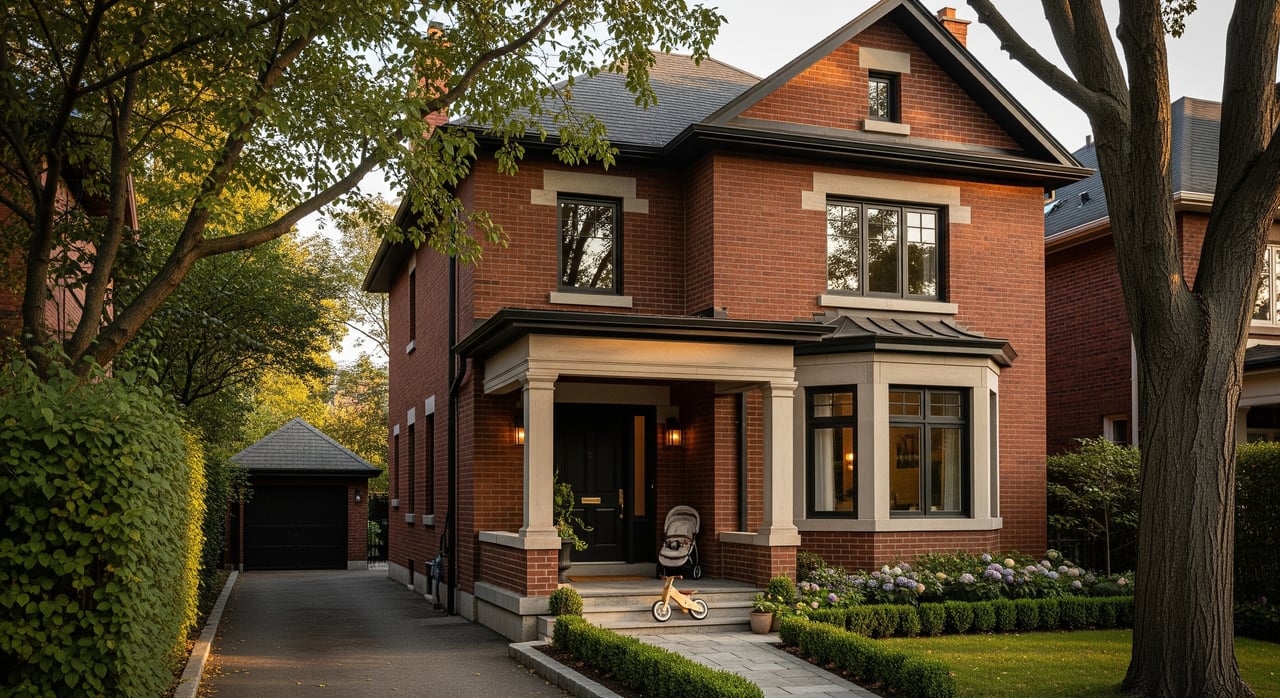
Imagine a neighbourhood where you can walk your child to school, grab a coffee on the way back, and still make the subway in time for a downtown meeting. If you are picturing a family-focused pocket with tree-lined streets and parks around the corner, Bedford Park checks a lot of boxes. You want a clear picture of day-to-day life before you commit, and that is what you will get here. You will learn about schools, childcare, parks, transit, housing, and how a typical week flows for young families. Let’s dive in.
Bedford Park at a glance
- Primarily residential with quiet, tree-lined streets with detached and semi-detached homes.
- Close to commercial amenities along major corridors for everyday errands.
- Access to TTC Line 1 and local buses supports downtown commutes.
- Multiple nearby parks, community programs and library offerings for kids.
- Competitive housing market and childcare demand, so planning matters.
Where Bedford Park fits in Toronto
Bedford Park sits in north-central Toronto within the broader North Toronto area. It is recognized for a family-oriented feel, with most streets lined with detached homes and children walking to nearby schools. You will find a calmer street rhythm on residential blocks and more activity on the surrounding commercial corridors.
The draw for many families is a balance of space, amenities and access. You can live on a quieter side street and still be minutes from groceries, pharmacies, and coffee shops. You also have straightforward connections to downtown for work and activities.
Schools and childcare
Schools are a major reason families choose Bedford Park. Many homes are within walking distance of a public or separate (Catholic) elementary school, and there are secondary school options nearby.
Public and Catholic elementary schools
Local elementary schools are served by the Toronto District School Board and the Toronto Catholic District School Board. Boundaries, program availability and enrollment policies change over time, so it is important to use the official TDSB and TCDSB school locator tools to confirm which school serves your address. Parents often look at program options such as French immersion, extended French and special education supports through those same sources.
Families sometimes review third-party performance indicators for additional context. If you explore rankings, consider them alongside factors like student intake, available programs and fit for your child. The best approach is to verify current offerings and catchments directly with the boards.
Middle and secondary options
Most Bedford Park families attend nearby secondary schools in North Toronto. Some students opt for specialized programs such as arts, technical studies or the IB stream. If you are considering a specialized pathway, factor in commute timing and after-school logistics when selecting your home.
Private schools and preschools
You will find a range of private schools within a wider Midtown and North Toronto radius, including day schools, Montessori and language-focused options. Havergal and Toronto French School are closeby. Admission timelines vary, so it helps to plan ahead for applications and tours.
Licensed daycare spaces are in demand across central Toronto. Many parents mix city-run programs, private centres and in-home providers. The City of Toronto’s child care resources and local community centres are practical starting points to identify openings and waitlists.
Family services and supports
Community centres and parks offer preschool classes, swim lessons, skating and parent-and-tot programs throughout the year. You will also find family physicians, dental offices and pediatric clinics in the broader Yonge corridor, which simplifies regular appointments and checkups.
Parks, play and programs
Bedford Park’s green space is a big part of daily life with young kids. Small neighbourhood parks and playgrounds are typically a short walk or bike ride from most streets, and many include seasonal splash pads and modern play structures.
Parks and playgrounds
Local parks are ideal for morning playtime, stroller walks and after-dinner outings. On weekends, larger ravines and sports fields across North Toronto offer space for bike rides, soccer practice and nature walks. Families often plan simple routines around a quick playground stop after school.
Community centres and libraries
Community centres are hubs for children’s programs, from preschool music to beginner skating. They also run popular day camps during March break and summer. Nearby Toronto Public Library branches provide early literacy programs, storytimes and quiet spaces for homework. These resources make it easier to build a consistent rhythm for after-school and weekend activities.
Camps and seasonal routines
In summer, day camps fill quickly, so early registration is key. In winter, indoor swim and skate sessions become go-to options. Many parents keep a short list of preferred programs and sign-up dates so they do not miss out.
Everyday errands and conveniences
You will find what you need for daily life close by. Grocery stores, pharmacies, child-friendly cafes and small retailers cluster along major streets, making quick errands easy. The proximity to multiple commercial nodes means you can combine a grocery run with a quick park stop or a library visit.
Walkability on local streets is a plus for families. Sidewalks and crossing signals on commercial corridors support day-to-day trips, and parents often watch for school crossing guard locations at busier intersections. Seasonal snow clearing is handled by the City, so winter mornings remain manageable for school walks and stroller routes.
Getting around: transit, driving and walking
Transit access
A key advantage of Bedford Park is access to TTC Line 1 and local buses. Many families rely on the subway for work commutes, weekend outings and after-school activities. Depending on your location, you may walk or take a short bus ride to a nearby station. The direct nature of Line 1 makes downtown trips straightforward.
Driving and parking
Driving is convenient for weekend activities, sports practices and extended errands. Like most major corridors in Toronto, traffic on arterial streets can be busy at peak times, so allow extra time for school pick-ups and practices. Many detached homes include off-street parking, and local street-parking rules vary by block.
Walking and cycling
Walking is common for school drop-offs, playground visits and local shopping. Cycling is practical for short trips to parks and nearby amenities, with bike routes improving across the city. If you intend to bike regularly with kids, review current cycling maps to identify the safest paths.
Housing: what to expect
What you will find on the ground
Bedford Park housing is dominated by low-rise, single-family detached homes, many from the mid-20th century. You will see a mix of original bungalows and two-storey houses alongside newer rebuilds and substantial renovations. Lots typically offer useable yard space, which is valuable for outdoor play, gardening and hosting.
Inside, older homes may benefit from kitchen reconfiguration, updated bathrooms or finished basements to match modern family needs. Many families prioritize a main-floor family room, a mudroom and organized storage to make daily life simpler.
Market dynamics and affordability
North Toronto, including Bedford Park, is a high-demand submarket. Prices for family-sized detached homes tend to sit above the city average, and conditions can shift quickly. Some buyers respond by targeting smaller homes, looking at semi-detached options nearby, or planning phased renovations to expand space over time.
If you want to move confidently, track current inventory and days on market and be prepared to act when the right property appears. A clear plan and local comparables make a big difference when timing offers.
Renovations and builders
Renovation is common in this area. Kitchen and bath upgrades, basement development and second-storey additions are typical projects. If you are considering work after you buy, review zoning and permit requirements with the City of Toronto and consult architects or builders experienced in North Toronto. A phased approach can help you balance budget, timelines and family routines.
Rentals and alternate options
There are fewer large rental buildings within core Bedford Park. Families seeking rentals often look to mid-rise apartments along major streets nearby or consider basement apartments and suites, subject to municipal regulations. If renting first is part of your plan, build in time to screen options and confirm school catchments before you sign.
A week in Bedford Park with young kids
- Monday morning: You walk to the local elementary school, then continue to the subway. A quick coffee on the way home sets up the workday.
- Tuesday after school: One child heads to a beginner skating lesson at the community centre while the other stops by the library for storytime. You pick up dinner ingredients on the way back.
- Wednesday evening: Homework at the kitchen table, then a short scooter ride to the playground before bedtime.
- Saturday: Groceries in the morning, an hour at the splash pad, and a relaxed afternoon bike ride on a local trail.
- Sunday: A park picnic with friends. Later, you browse listings and renovation ideas while the kids play in the backyard.
Tips for choosing your spot in Bedford Park
- Confirm school catchments and program options with the TDSB or TCDSB before you shortlist addresses. Schools can have boundaries cut in the middle of the street. For your family planning and value, it is essential to know where you fall in the school catchment.
- If you rely on transit, map your walk to the nearest Line 1 station and estimate commute time during typical rush hours.
- Walk the block at different times of day to get a feel for traffic flow, parking and school drop-off patterns.
- Check City resources for community centre program schedules, camp registration dates and library events.
- If you plan to renovate, review zoning and permit steps early and get estimates from builders who work in North Toronto.
Is Bedford Park a fit for your family?
If you want a family-focused neighbourhood with parks close by, schools within reach and an easy connection to the subway, Bedford Park delivers. The trade-offs are a competitive housing market and planning ahead for childcare and popular programs. With a clear plan, you can find a home that supports your daily routine now and grows with your family’s needs.
If you are exploring a move, the Jamie Dempster Team can help you compare streets, confirm school boundaries, line up showings and plan renovations or resales with confidence. Reach out to the Jamie Dempster Team to start your Bedford Park search.
FAQs
What should young families know about Bedford Park schools?
- Use the official TDSB and TCDSB school locator tools to confirm your in-catchment schools and any program options such as French immersion.
How easy is the downtown commute from Bedford Park?
- Many residents use TTC Line 1 for direct service to the core. Your exact travel time depends on your proximity to a station and typical peak-hour conditions.
Are daycare and preschool spots available in Bedford Park?
- Licensed spaces are in demand across central Toronto. Check City child care resources and local centres early, and expect to join waitlists during popular periods.
What housing types are most common in Bedford Park?
- You will mostly see low-rise detached homes, with a mix of original properties and newer rebuilds or significant renovations on established lots.
Is Bedford Park walkable for daily errands with kids?
- Local streets are pedestrian-friendly, and major corridors have sidewalks and signals. Families often walk to parks, schools and nearby shops for everyday needs.
How competitive is the Bedford Park housing market for buyers?
- It is part of a high-demand North Toronto submarket. Monitor inventory, review local comparables and be prepared to act quickly when the right home appears.